Different ground. The same discipline.
A shaft, a substation, a quay, a distribution centre, a production line and a building site answer to different regulators and fail in different ways. What they share is ageing equipment, thin teams and paperwork that never lets up. This is what presses on each of them in South Africa, and the work we do there.
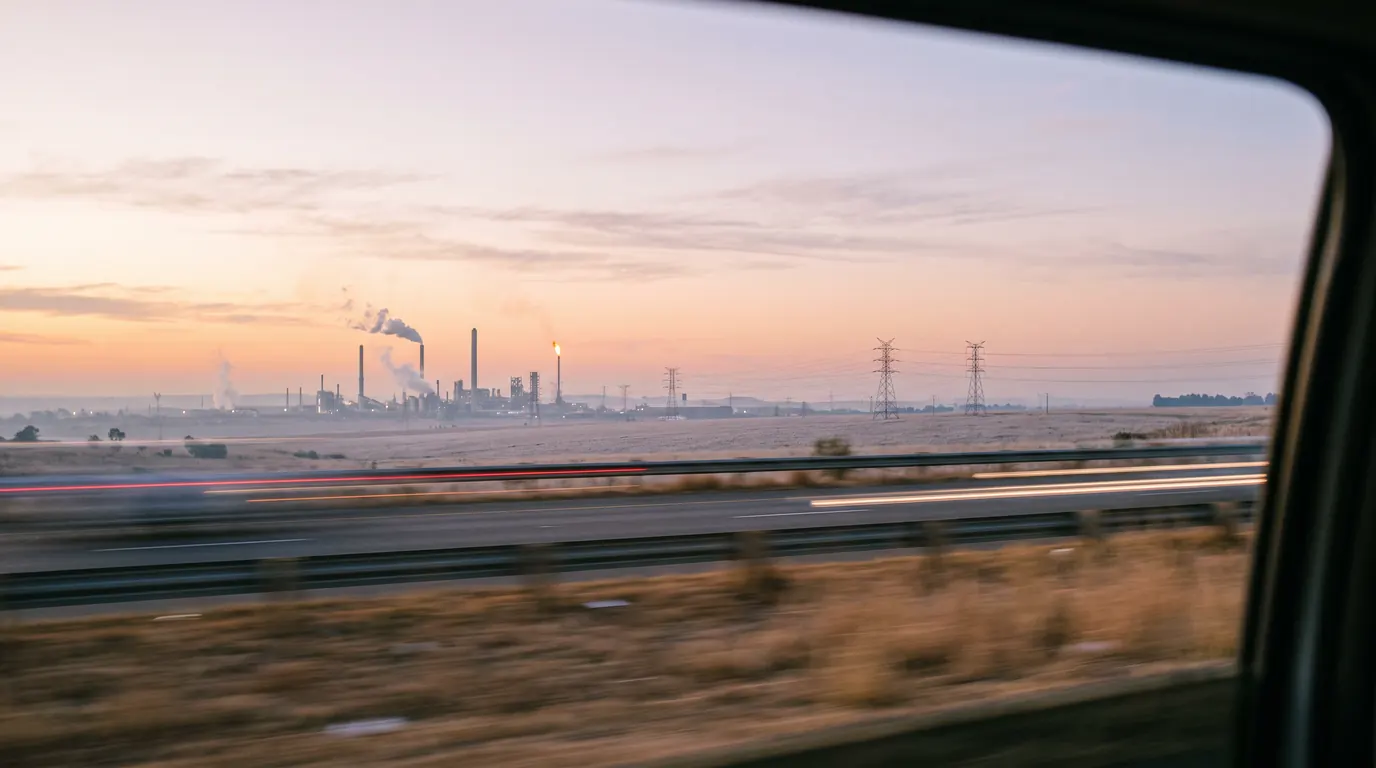
01 · Mining & Resources
Fewer people in harm's way. More life from the plant you have.
Mining budgets now lean towards safety and productivity on existing operations rather than new ones. That is exactly where inspection, maintenance and good records earn their place.
What presses on the work
Safety is still the first question.
Fatalities reached a record low in 2025, yet falls of ground rose, several of them seismic. Every hour someone spends near unsupported ground is an hour worth taking away.
Sustaining capital, ageing plant.
Capital spending fell in 2024, and most committed project spend is sustaining. Conveyors, headgear and processing plant are asked to run longer on the budgets they already have.
Local content you can show.
The 2018 Mining Charter looks for 70% of mining goods to be made in South Africa and 80% of services from South African companies. Since a 2021 High Court ruling it is policy rather than law, applied when the Minister decides on a mining right. The evidence sits in supplier records that rarely stay current.
Automation, without losing the room.
Boards are weighing autonomy against jobs. The approach that holds is taking people out of danger and building their skills, not taking them off the payroll.
What we do there
- Inspect what people shouldn't have to reach. Drone and robot crews capture conveyors, headgear, structures and stockpiles. AI reviews every frame and flags what has changed since the last visit.
- Turn findings into approved work. Our engineers rank each finding against its history, and nothing is scheduled until your engineer or planner signs it off.
- Keep contractor files true to the MHSA. Safety files, appointments and certificates built to the mine's own standards and kept live between audits.
- Keep supplier records ready for reporting. B-BBEE certificates, supplier origin and spend held in one register, so local-content reporting starts from facts rather than a hunt.
Services for mining
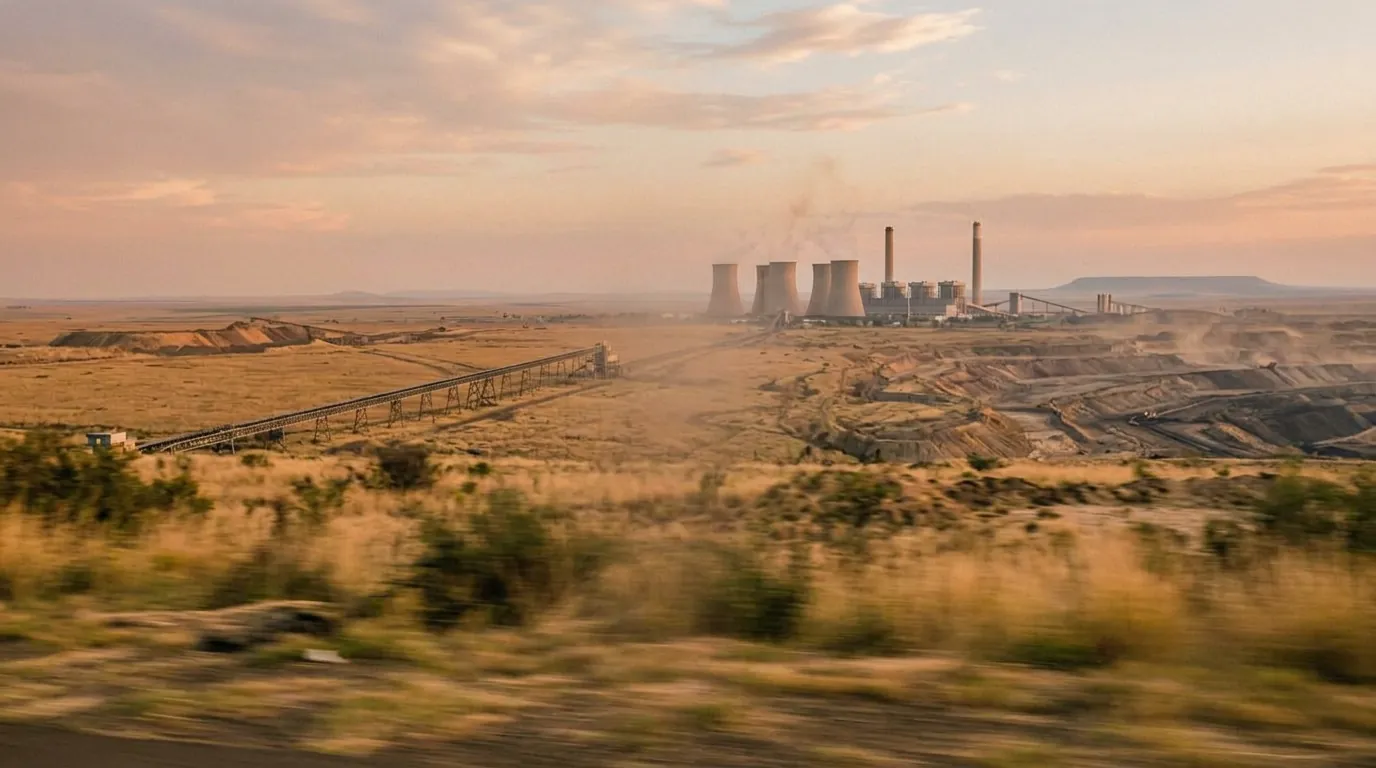
02 · Energy & Petrochemical
The crisis has passed. The maintenance it left behind has not.
With load-shedding off the agenda for now, the pressure has moved from keeping the lights on to keeping plant reliable, maintenance well planned and costs in hand.
What presses on the work
Reliability after load-shedding.
Generating units, substations and the backup power bought during the outage years all ran hard. The wear did not stop when the schedules did.
IPPs in their operating years.
Renewable projects have moved into operations and maintenance, with availability to defend and local-content commitments to report on. Their solar fields and wind farms cover more ground than a crew can check by hand.
Carbon has a price.
Carbon tax rose to R308 a tonne in 2026 and is set to reach R462 by 2030. A measured leak, with the evidence behind it, is now worth rand.
Turnarounds run to the hour.
On a petrochemical site, scope that surfaces late in a shutdown becomes days offline. The inspection data has to be ready before the scaffolding goes up.
What we do there
- Thermal and visual inspection from the air. Drone thermography of solar fields and substations, and surveys of lines and structures that still rely on foot patrols and helicopters.
- Leaks and hot spots, with the proof. Every finding arrives with its image, location and history, ready for your maintenance and environmental teams.
- Shutdown scope, ready early. Findings ranked by our engineers and packaged into work packs before the turnaround window opens.
- O&M reports, drafted and checked. Availability, defects and open work drawn from your records, drafted by AI and reviewed by an engineer before they reach the owner.
Services for energy
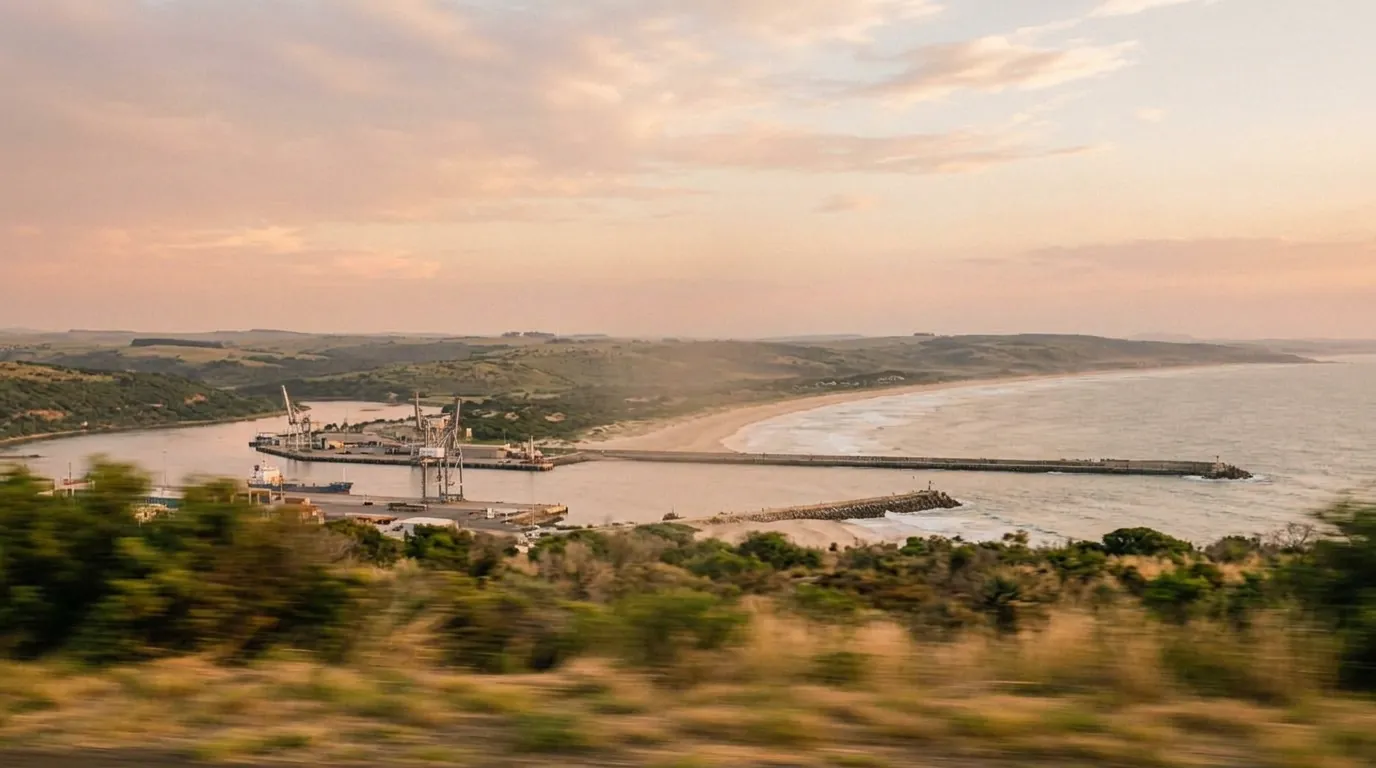
03 · Logistics & Ports
Equipment that is ready when the ship is alongside.
Ports, rail and warehouses are spending heavily to lift the availability of equipment they already own. Availability is now the number every contract watches.
What presses on the work
Ageing equipment, heavy spend.
Transnet plans more than R129bn of spend over five years, with port equipment on long OEM contracts to lift availability. Every hour a crane stands is an hour a vessel waits.
New partners, written targets.
Container terminals are moving into long private partnerships, with availability written into the contract. So is the evidence needed to prove it.
Records that drift from the floor.
Stock that says four when the bin holds none. A fleet register a month behind the yard. Planners stop trusting the system and start keeping their own lists.
When systems fail, work goes manual.
In 2021 a cyber attack pushed the country's container terminals onto manual operations. Resilience now belongs in every equipment conversation.
What we do there
- Crane, conveyor and structure inspection. Drone capture of cranes, conveyors, gantries and quay structures, with AI flagging what changed between visits.
- Availability you can evidence. Defects, downtime and repairs kept as one record, so the monthly availability report traces back to the work that was done.
- Maintenance planned from findings. Ranked findings become approved work, planned around the windows your operation can give.
- Stock and fleet answers in one place. Kuumba Work reads SAP Business One and fleet tracking with read-only access, so a planner asks once and sees the source.
Services for logistics
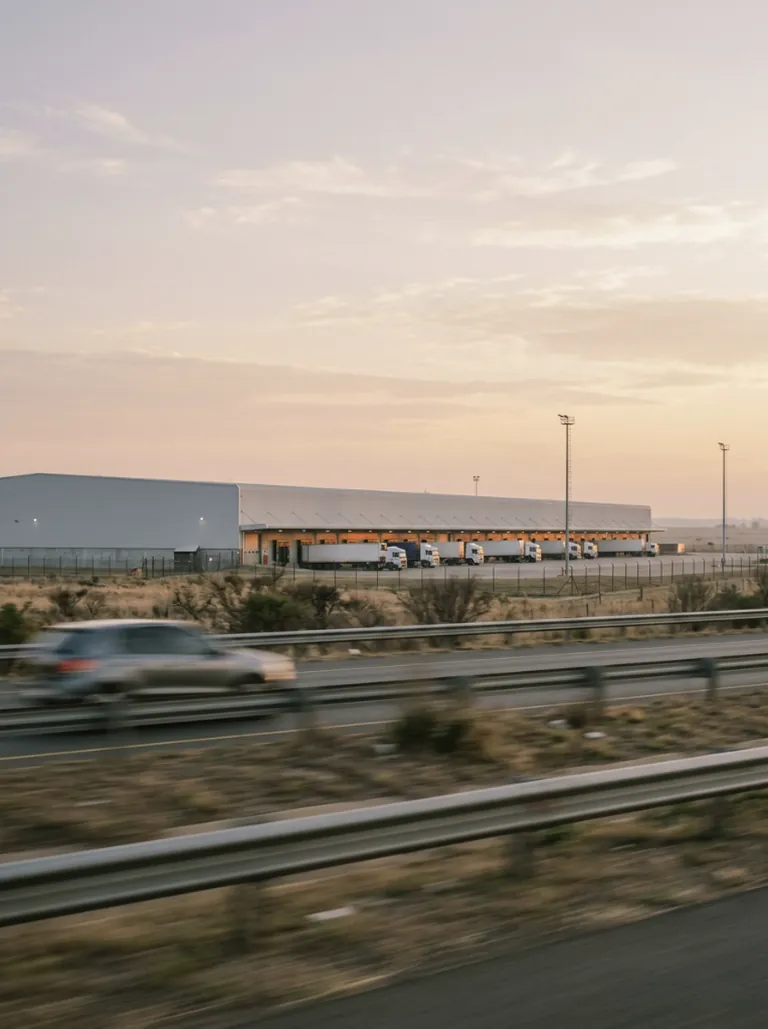
04 · Warehousing & Distribution
Stock you can find, in a building that never stops.
A distribution centre runs on its record of what came in, where it went and what is left. When that record drifts from the shelf, every order downstream pays for it, and the only cure on offer is a weekend with the doors closed.
What presses on the work
Records that drift from the shelf.
One large study of retail stock found 65% of nearly 370,000 inventory records to be wrong. Ghost stock, phantom locations and mis-slots turn into short picks, split orders and stock bought twice.
Counting closes the doors.
The wall-to-wall stocktake still means a weekend without picking, temporary counters and a Monday backlog, in operations that sell around the clock.
The top beam is work at height.
High-bay counts mean people raised on order pickers and reach trucks, with everything the General Safety Regulations ask of work in elevated positions.
Shrinkage found at year-end.
Variances pile up quietly, surface in one write-off and an audit adjustment, and leave no trail back to the step that caused them.
What we do there
- Every location counted, every month. Rolling RFID and scan counts planned around your waves, so the record is checked all year without closing the doors.
- Exceptions, reconciled. AI matches every read to your WMS or SAP Business One export and names the likely cause; our inventory team recounts before anything is adjusted.
- High bays read from the floor. Our guarded stocktake drone reads the top levels in cleared aisles, so nobody rides a truck up to count.
- Counts your auditor can follow. A monthly count history, reconciliations and approved adjustments, indexed for the year-end.
Services for warehousing
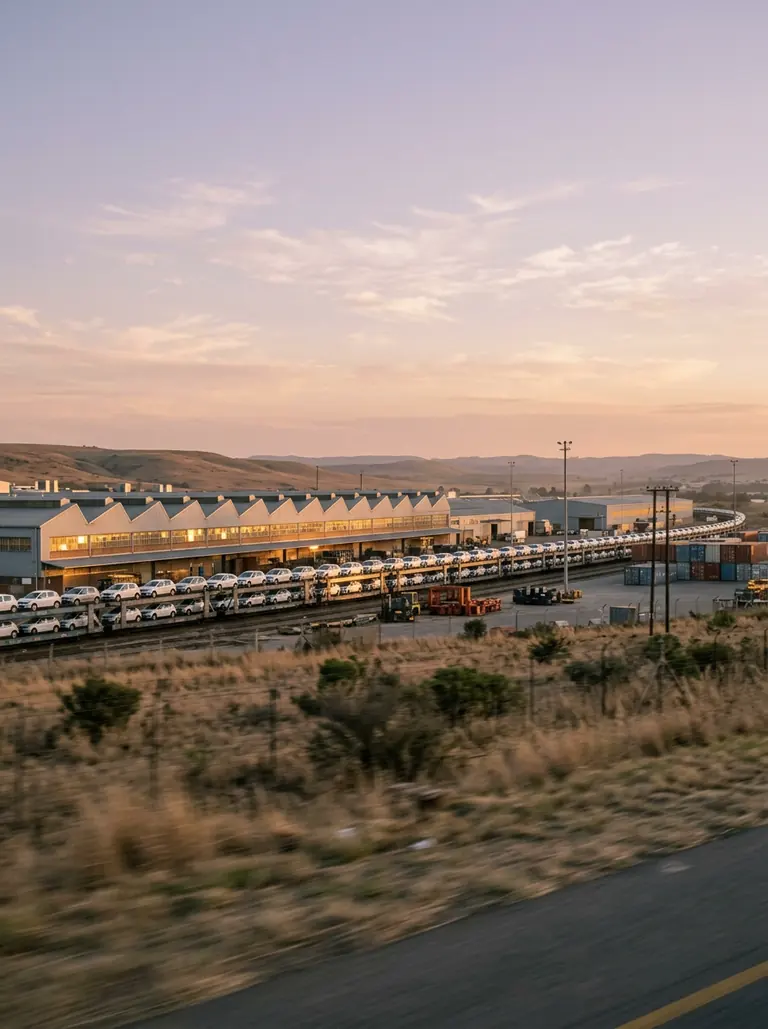
05 · Manufacturing
Fewer surprises on the line, fewer evenings in Excel.
Plants run with fewer artisans than they need, on controls nobody wants to touch, with data stuck where it was first written down. The audits come round regardless.
What presses on the work
Skills are short.
The share of firms struggling to hire engineers more than doubled between 2018 and 2025, and artisans in automation and instrumentation are the hardest of all to find.
Downtime on a clipboard.
Stoppages written by hand on shift, retyped into Excel on Monday, half the reasons marked "other". The decisions that follow are only as good as the clipboard.
Controls nobody wants to touch.
The running program differs from the backup on the laptop, spares come from the grey market, and the change form never caught up with the night-shift change.
Audits that don't wait.
ISO 9001, 14001 and 45001 surveillance audits arrive on schedule, whether or not the evidence was kept as the work happened.
What we do there
- Control systems on a known baseline. With our automation partners, we back up and document each controller, keep change records current and hand over drawings that match the code.
- Downtime captured once. Stoppages and their reasons logged where they happen and drawn into the weekly report, not retyped from paper.
- Audit evidence kept as the work happens. Registers, records and corrective actions held in one place, ready for the auditor before the auditor asks.
- Engineering that keeps up with the plant. Findings become approved work, and drawings are updated, ready for AutoCAD or Revit, when the plant changes.
Services for manufacturing
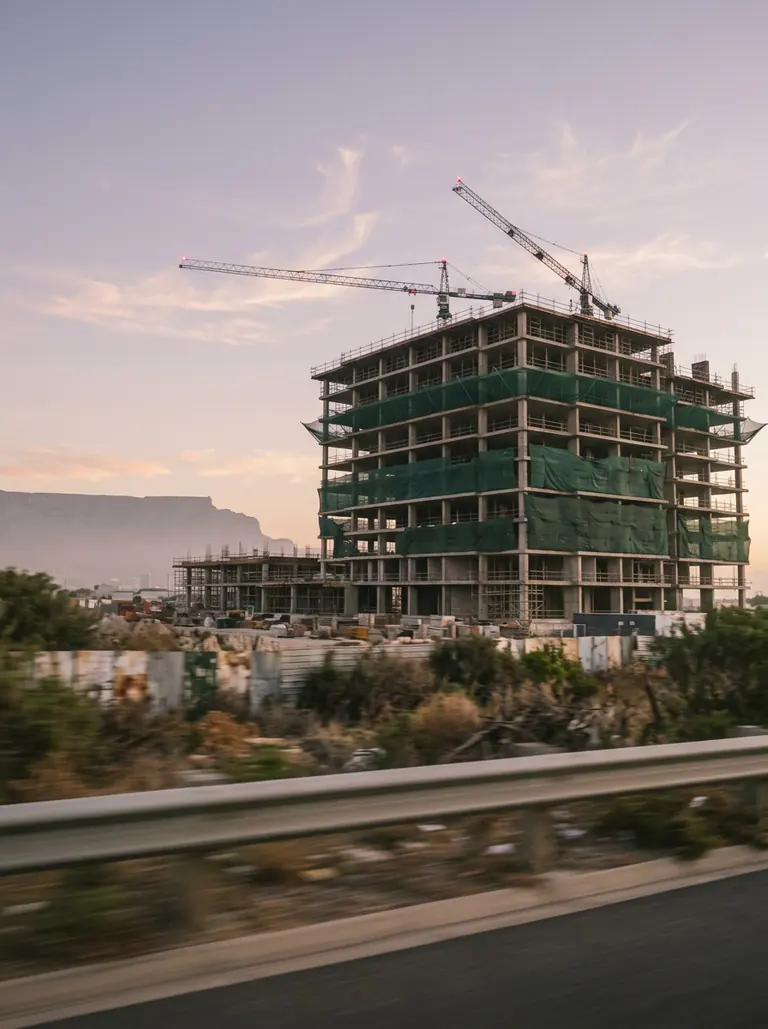
06 · Construction & Infrastructure
Progress you can prove, on projects that can't afford to slip.
Public infrastructure spend is planned at more than R1tn over the medium term, led by transport, energy and water. Margins stay thin, so the work is keeping every project documented, safe and on programme.
What presses on the work
A large pipeline, thin margins.
A major contractor went into business rescue in 2025 after clients called its guarantees. Every variation, delay and claim lands on a balance sheet with little room to spare.
Paper that holds up the site.
Safety files, method statements, RFIs and appointment letters, all needed before work can start, and all rebuilt for every new job.
Progress argued from memory.
When a claim is disputed, the side with dated photographs and a baseline that was kept up to date tends to win the argument.
Handover that arrives late.
As-builts, test certificates and the handover pack are pieced together at the end, from folders that went quiet months before.
What we do there
- Safety files in a day. Construction Regulations 2014 files compiled from your documents, made true to site by our practitioners and signed by a registered professional.
- Programmes people can follow. Baselines and look-aheads in Primavera P6 or Microsoft Project, updated from what is actually happening on site.
- Progress captured from the air. Dated, located drone surveys, so progress and claims rest on evidence rather than recollection.
- Built with partners, documented by us. We deliver construction with specialist partners and keep the record from day one, so the handover pack grows with the job.