Built today. Recorded tonight.
Delivered with accredited contractors, yours or partners we bring in. We run the documentation, quality and safety, from diaries and hold points to NCRs, punch lists and the handover pack, so nothing is lost and practical completion arrives with the paperwork already done.
-
Foreman’s daily report
4×faster
An hour becomes fifteen minutes: a few photos and a sentence, and the diary is compiled before the shift ends.
-
Punch list
24 hto issue
One item, one photo, one location, one owner, instead of typed up next week.
-
Safety file
7×faster
One working day instead of seven, through our Safety & HSE service, then kept audit-ready.

The week you know
The work gets done. The record falls behind.
A diary written from memory, a hold point nobody could attend, a punch list on a clipboard. Each is small on the day. Together they become the claim you can't prove and the retention you can't release.
-
Monday · 06:50
The hold point that held nothing.
The rebar inspection before the pour is a hold point. The engineer is two hours away and the first truck is already turning into site. Either the pour waits, or it goes ahead uninspected.
What it costsA stood-down crew, or an NCR and a possible break-out. South African studies put rework at around 5% of contract value.
-
Tuesday · 17:30
The diary, written from memory.
At knock-off the foreman reconstructs the day: who was on site, what was poured, why the crane stood. By Thursday, the rain at ten o'clock and the delay it caused are both forgotten.
What it costsA delay with no record behind it, and a claim that can't be proved.
-
Wednesday · 11:20
Twenty-three NCRs. Eight with no owner.
The NCR register is a spreadsheet nobody closes. Three of the open items should have stopped work. The client's QA auditor finds them before you do.
What it costsRework, and the client's confidence in everything else on the register.
-
Thursday · 08:00
The 30-day audit, again.
Your client must audit health and safety on site at least every 30 days, and the file must be there for an inspector at any time. This month the file is in three places, and one of them is a bakkie.
What it costsFindings in the audit report within seven days, or work stopped under regulation 5(1)(q).
-
Thursday · 15:40
Punch list by clipboard.
The walk-down produces three hundred snags on paper. They're typed up, sent as a PDF, and the subcontractor disputes half because there are no photos. Then comes a second list, and a third.
What it costsRetention held, and weeks lost arguing about what was on the list.
-
Friday · 19:15
A handover pack that outlasts the work.
O&M manuals, test certificates, warranties, as-builts and the consolidated health and safety file, assembled after practical completion from forty email threads.
What it costsCompletion certificates held up, retention still withheld, and a plant team starting blind.
What we take off your plate
Every pour, inspection and snag, on record the same day.
We keep the record for the owner or the contractor, built to your ITPs and the Construction Regulations 2014. The handover index is set up before work starts, so every certificate has a place to land.
-
Daily site diary and report
People, plant, weather, work done, delays, instructions, visitors and incidents, each entry time-stamped and backed by photos.
-
Inspection and test records ITP
Hold-point release requests, witness notices, signed checklists and photos, kept against the inspection and test plan.
-
NCR register
Every non-conformance with an owner, a root cause, a corrective action and the evidence that closed it.
-
Punch lists
One item, one photo, one location, one owner, one status, with re-inspection evidence for every close-out.
-
Health and safety file, on site Reg 7(1)(b)
Current, indexed and ready for your client's 30-day audit, kept through our Safety & HSE service.
-
Commissioning dossiers
Per system: pre-commissioning checks, loop checks, test certificates and open punch items, with a clear ready-for-energisation status.
-
Handover pack Reg 7(1)(e)
O&M manuals, certificates, warranties, the as-built register and the consolidated health and safety file, indexed and searchable.
-
Weekly progress evidence
Drone orthophotos and photo sets, flown through our Robotics & Drones service wherever they're in scope.
-
Partner coordination
Accredited partners, brought in where the scope calls for them, coordinated to the programme and held to the same record as everyone else's.
How it gets done
From mobilisation to handover, recorded as it happens.
Contractors build and inspectors inspect. AI turns what they capture into the record before the shift ends. Every hold point is released by the person your ITP names.
-
Week 1Mobilise
The handover index comes first.
Our construction manager agrees the ITPs, hold points, report formats and handover index with you. Kuumba Work reads the specifications, ITPs and contract, and builds the inspection schedule and the index before work starts. Where it's in scope, a baseline flight records the site as it was.
- Construction manager
- AI reads and indexes
- Baseline flight
- You approve
-
DailyCapture to diary
The diary is done before knock-off.
Supervisors capture work, delays and instructions as they happen: a few photos and a sentence on a short site form. AI compiles the diary and daily report, and flags delays, instructions and incidents for the PM and the SHE officer. The supervisor reads it and signs.
- Supervisors
- AI compiles
- Supervisor signs
-
Each hold pointRelease
The person your ITP names releases it.
Each request arrives complete, with the checklist, photos, drawing revision and test results, and the notice period tracked. It's released in one visit, not two.
- AI prepares
- QC inspector
- You release
-
Each NCRClose-out
Every NCR drafted, owned and closed.
Our QC inspector raises it. AI drafts it from the inspection record, proposes root-cause categories and chases the close-out evidence. The engineer decides the disposition.
- QC inspector
- AI drafts and chases
- Engineer decides
-
WeeklyProgress
Progress you can see from above.
Licensed remote pilots fly the site where it's in scope. AI files the evidence into the PM's weekly pack and updates the handover index as certificates arrive.
- Remote pilot
- AI files
-
Walk-downPunch list
One list, a photo on every line.
The inspector and the contractor walk together. The list is built from photos as they go, each item with a location and an owner, and one list goes out. Roofs and heights are flown, not climbed.
- Inspector and contractor
- AI builds the list
- Drone at height
-
CompletionHandover
The pack is ready when the work is.
Commissioning dossiers and the handover pack come together from the index built in week one. AI checks for missing certificates and superseded drawings. The commissioning manager signs systems off, and you accept the pack.
- AI checks
- Commissioning manager
- You accept
What the record depends on. Certificates only a subcontractor can supply arrive when they arrive, so the handover index shows them as open, by owner, from the first week. And a record is only as good as what gets captured: if a supervisor won't use the form, our site person captures it for them.
The old way, and with Kuumba
Same site. A record you can stand behind.
| Area | The old way | With Kuumba |
|---|---|---|
| Site diary | Written at knock-off, from memory | Captured during the shift, compiled before it ends |
| Foreman's paperwork | The last hour of the day | About fifteen minutes to review and sign |
| Hold points | Requests missing a drawing or a test result | Complete on arrival, released in one visit |
| NCRs | A spreadsheet nobody closes | Owned, root-caused and closed with evidence |
| Punch lists | Clipboard, typed up, disputed | A photo on every item, issued within 24 hours |
| 30-day audits | A scramble to find the file | A file already current, on site and indexed |
| Handover pack | Assembled after practical completion | Built from week one, ready when the work is |
Where AI helps, where people decide
AI keeps the record. People keep the site.
AI does
The typing, filing and checking.
- Turns photos and field notes into the diary and daily report.
- Checks every hold-point request is complete before it goes.
- Drafts NCRs from inspection records and chases the close-out evidence.
- Builds punch lists from photos, with a location and owner on every item.
- Assembles the handover pack, and spots missing certificates and superseded drawings.
People decide
What's safe, what's accepted and what's complete.
- Releasing every hold point, by the person your ITP names.
- NCR dispositions: accept, repair or break out.
- Whether work is safe to proceed.
- Walking the punch list, and accepting it.
- Practical completion, and accepting the handover pack.
Drones go where people shouldn't: roofs, heights and live areas. People still walk the punch list. See Robotics & Drones.
Standards we work to
Recorded to the rules you're inspected against.
Every record knows which regulation or ITP line asks for it, so an auditor can follow the file without a guide.
- OHS Act 85 of 1993General duties; section 37(2) agreements
- Construction Regulations 2014Reg 5(1)(o): client audits every 30 days, report in 7
- Construction Regulations 2014Reg 7: the file on site, and consolidated at handover
- COID Act 130 of 1993Contractor registration before work starts
- CIDB Act 38 of 2000Contractor grading and the register
- JBCC · NEC · GCC · FIDICCompletion, defects and take-over records
- ISO 9001Quality: ITPs with hold and witness points
- ISO 45001 · ISO 14001Where your client requires them
- MHSA 29 of 1996Construction on mines
- Draft Construction Regulations 2025Would accept electronic files; not yet final
Questions construction managers ask
The questions we hear first.
Who builds, and who answers for it?
Accredited contractors build: yours, or partners we bring in and coordinate to your programme. The appointed principal contractor carries the legal duties of that role, the CIDB grading the work calls for, and the construction risk.
We run the documentation, quality and safety around them, and one team answers to you for the record, so those duties are easier to meet and easier to prove.
Will my foremen actually use a site form?
Only if it takes less time than paper. That's the design brief: a few photos and a sentence, and the diary writes itself.
If they won't use it, our site person captures it for them. The record matters more than the tool.
Is an electronic safety file acceptable?
The 2014 regulations require the file to be on site and available on request. The draft 2025 regulations would accept electronic files explicitly, but they are not final yet.
Until they are, we keep the file electronic and printable, and agree the format with your client up front.
Who releases a hold point?
The person your ITP names. Always. We make sure the request arrives complete, with the right drawing revision and test results, so it can be released in one visit.
Can you take over a project halfway?
Yes. We index what exists, list what's missing for handover, and build forward from today.
Earlier records stay exactly what they are. We never back-fill history as if it were written at the time.
Does this replace our QA/QC manager?
No. It gives them back the hours spent typing and chasing, so they can spend them inspecting.
Related services
A site record draws on everything else.
-
Robotics & Drones
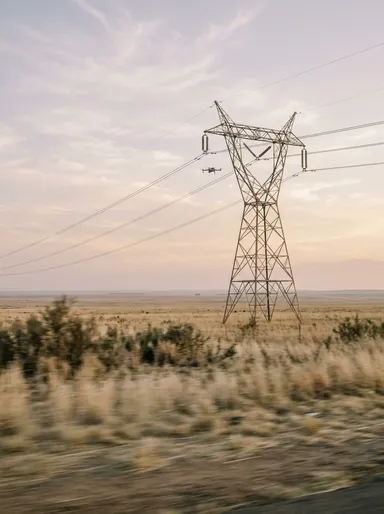
Flown by licensed remote pilots, so your people stay out of harm's way.
Read more -

Safety & HSE
Risks seen earlier, incidents closed out, every action followed to the end.
Read more -
Engineering & CAD
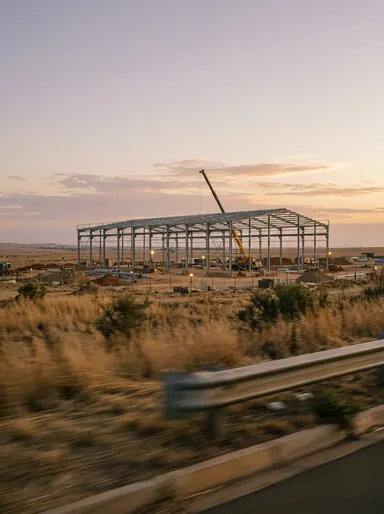
Multidisciplinary design, drawn once and put to work at every stage.
Read more
Kuumba Work
The workspace behind every site record.
Our site and QA teams work in Kuumba Work, the AI workspace behind all our services. It is how a day's photos become a signed diary before the shift ends.
- Site forms as mini apps. Diaries, inspections, NCRs and punch items captured with photos, in forms built for this site.
- Ask the site record. “When was the slab on grid C poured?” answered with the diary entry and the photo.
- Documents out. Daily reports, NCRs, punch lists and the handover index generated as Word, Excel or PDF.
- Native mobile apps.Building A dedicated companion app for capture on site.