Change the logic. Keep the plant.
We audit, specify and manage control-system work, from a single MOC to a full migration, with certified integration partners on the platforms that call for them. AI keeps the drawings, I/O lists and test scripts in step with the code. Your signatories still sign, and only a competent person touches a live controller.
-
MOC pack
1day to a drafted pack
Drafted the day the change is requested, from the affected I/O and the cause-and-effect matrix. Your signatories still sign.
-
Obsolescence register
14days to a full register
Every PLC, HMI, drive and network device on a typical plant, with its support status.
-
Downtime and OEE
0sheets retyped on Monday
Stoppages captured once, on a phone, with structured reasons. OEE is calculated, not typed.
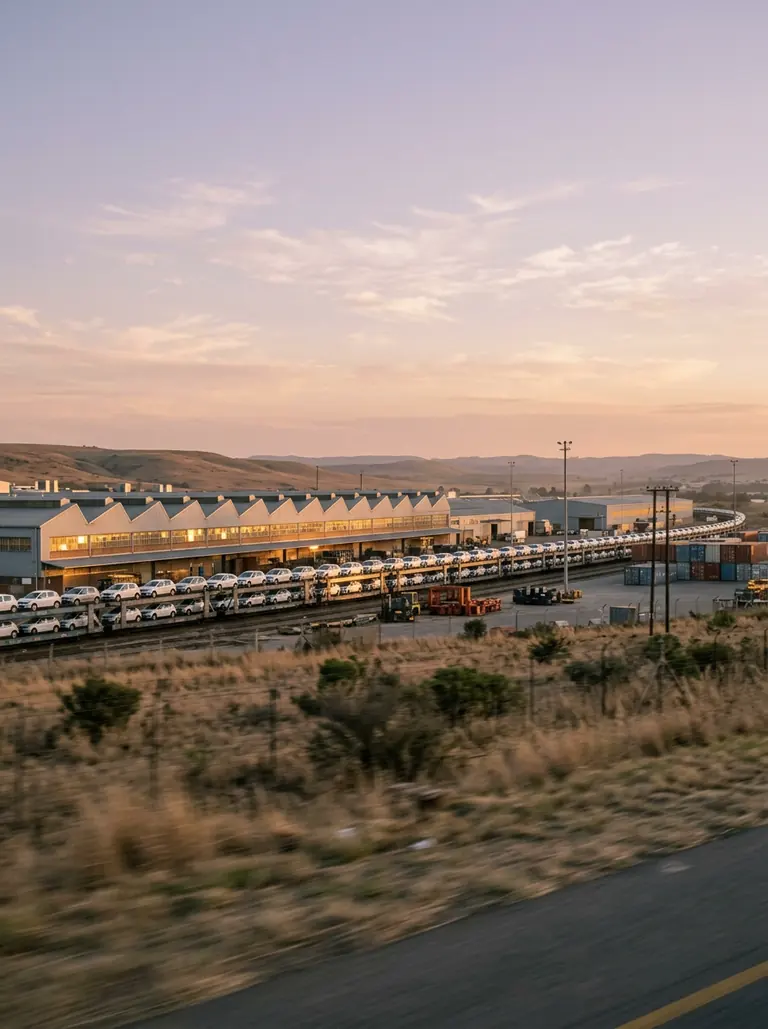
The week you know
The plant runs on changes nobody wrote down.
A bypass on night shift, a backup on a contractor's laptop, a clipboard of downtime reasons that all say "other". Each one is survivable, right up to the night it isn't.
-
Tuesday · 22:40
"Just for tonight" on the interlock.
Production wants the interlock bypassed until morning. The MOC form is a Word document that needs four signatures. The change happens on night shift, and the paperwork never catches up.
What it costsProcess-safety exposure, and an investigation with no record to start from. Flixborough began with a temporary change nobody managed.
-
Wednesday · 03:10
Which version is actually running?
The CPU faulted at three in the morning. The only backup is on a contractor's laptop, two years old, and nobody can say what has changed in the logic since.
What it costsHours, sometimes days, of recovery, with the line down and the shift waiting.
-
Monday · 07:30
Downtime, by clipboard.
Operators write stoppages on paper. On Monday someone retypes them into Excel, and half the reasons say "other". Production wants the OEE number by nine.
What it costsHours of rekeying, and an OEE figure that describes the clipboard better than the line.
-
Thursday · 13:00
Spares from the grey market.
The PLC family in panel 3 is out of production. Spares come from brokers at a premium, and nobody has listed which other panels run the same hardware.
What it costsObsolescence risk that nobody has costed, until a card fails and the line waits a week for a part.
-
Saturday · 02:00
Three hundred alarms in ten minutes.
An upset floods the HMI, and the operator silences the horn to think. ISA-18.2 treats ten alarms in ten minutes as a flood. This is thirty times that.
What it costsThe one alarm that mattered, lost in the noise.
-
Friday · 11:45
IT wants to patch. OT says not during production.
Meanwhile the vendor's remote-access modem has sat in the panel since 2019, and nobody is sure who still has the password.
What it costsIn 2024, a quarter of the OT ransomware cases Dragos observed ended in a full site shutdown. Transnet's 2021 attack pushed its container terminals onto manual operations.
What we take off your plate
Every change engineered, approved and on paper.
Our engineers scope, specify, manage and document the work. Certified integration partners program the platforms that call for them, and we stay accountable to you for the result. You receive a plant whose documents match its code.
-
Automation audit and obsolescence register
Every PLC, HMI, drive and network device, with its firmware, support status and a migration priority you can budget against.
-
Program baselines and version control
A verified, dated backup of every controller program, kept offline, with a change log that says who changed what, and why.
-
MOC packs for control changes
Description, risk assessment, affected I/O and interlocks, test plan, rollback and a sign-off sheet, filed against the change under your procedure.
-
FDS, I/O lists and cause-and-effect matrices IEC 61131-3
Functional design specifications, I/O lists, C&E matrices and loop drawings, kept current with the code rather than with the tender.
-
FAT and SAT protocols and punch lists
Written from the I/O list and C&E, run with your team and the partner, and closed out with evidence instead of an email thread.
-
Digital downtime capture
Phone forms with structured stoppage reasons replace the clipboard, so every loss is captured once, by the person who saw it.
-
Downtime and OEE reporting
A weekly Pareto of losses by reason, line and shift, calculated from the logs and ready for Monday's production meeting.
-
Alarm rationalisation ISA-18.2 · EEMUA 191
A master alarm database and a bad-actor list, so operators see fewer, truer alarms.
-
OT security baseline IEC 62443 · NIST SP 800-82
Asset inventory, zones and conduits, a review of every remote-access path, and a patch and backup plan that production can live with.
-
Migration projects
Audit, FDS, conversion, FAT and SAT, and a cut-over plan, engineered and managed by us and programmed by a certified partner where the platform requires it.
How it gets done
From walk-down to handover, with your signatures where they belong.
AI works on drawings, exports and photographs, and drafts code for review. Every line is reviewed, accepted and downloaded by competent people under your MOC procedure, and every step that changes the plant waits for you.
-
Week 1Walk-down
We walk the plant and photograph what's there.
A C&I engineer audits panels, controllers, networks and remote access, and photographs every nameplate. Kuumba Work reads the photos, your tag exports and the old drawings, and drafts the asset and obsolescence register.
- C&I engineer
- AI builds the register
-
Week 2Baseline
Every program, backed up and checked.
Our engineer, or the platform partner, takes verified program backups offline. AI compares exported I/O and tag lists against the drawings and FDS, and lists every place they disagree.
- Engineer or partner
- AI cross-checks
-
Each changeMOC drafted
The MOC pack is drafted the day it's asked for.
Our engineer defines the change, risk-assesses it and writes the test and rollback plan. AI drafts the pack from the request, the affected I/O and the cause-and-effect matrix, and lists every interlock the change touches.
- C&I engineer
- AI drafts
-
Before workApproval
Your signatories approve. Then, and only then, the plant changes.
The pack goes through your MOC procedure, to your signatories. Nothing is programmed, forced or bypassed before it is signed.
- You approve the MOC
-
BuildFAT and SAT
Built by a competent person. Tested in front of you.
A certified partner, or our programmer, implements the change on the platform. AI generates the FAT and SAT scripts from the I/O list and C&E and keeps the punch list. Your team witnesses and signs.
- Certified programmer
- AI writes the scripts
- You witness
-
HandoverAs-built
Documents that match the code you were handed.
Our engineer updates the as-builts and backups. AI updates the FDS, I/O list and change log, and produces the handover pack in Word and PDF for you to accept.
- C&I engineer
- AI updates the docs
-
Every weekData
Downtime captured once, and reported on Monday.
Our engineer designs the stoppage reasons and the phone forms with your operators. The logs become a weekly OEE and loss Pareto, ready for the production meeting.
- Engineer
- AI reports
What our software never touches. Kuumba Work does not connect to your SCADA, PLCs or historian, and we do not put a cloud AI on your control network. It reads the exports, drawings and photographs your team or ours provide. Every program change and download is made by a competent person, ours or a certified partner's, under your MOC.
The old way, and with Kuumba
Same plant. Changes you can account for.
| Area | The old way | With Kuumba |
|---|---|---|
| MOC pack | A Word form chasing four signatures for days | Drafted the same day the change is requested; your signatories still sign |
| Program versions | The backup on someone's laptop | Every controller on a verified, dated baseline |
| Documentation | As-builts that drift away from the code | FDS, I/O list and change log updated with every approved change |
| Obsolescence | Unknown until a card fails | A full register within two weeks for a typical plant |
| Downtime data | Clipboards, retyped on Monday | Captured once on a phone; OEE calculated, not typed |
| FAT and SAT | Scripts written by hand; the punch list in emails | Scripts generated from the I/O list and C&E, checked by an engineer, closed with evidence |
| Remote access | A modem nobody remembers installing | Every access path listed and reviewed against IEC 62443 |
Where AI helps, where people decide
AI keeps the paperwork honest. People keep the plant safe.
AI does
The reading, cross-checking and drafting around the code.
- Reads drawings, I/O lists, tag exports, alarm lists and nameplate photographs.
- Finds where drawings, FDS and exported tags disagree.
- Drafts MOC packs, FDS sections and FAT and SAT scripts.
- Turns downtime logs into OEE and loss Paretos.
- Keeps the change log, so every version has a reason.
People decide
Everything that touches the plant.
- What changes, and whether it should.
- The risk assessment, and any safety instrumented function.
- Accepting every line of code, and every download to a controller.
- Network and security design.
- Every sign-off a registered person must make.
AI never writes to a controller. Specialist platforms are programmed by certified integration partners, managed by us and accountable through us.
Standards we work to
Engineered to the codes your plant answers to.
Electrical and machinery regulations under the OHS Act, the MHSA on mines, and the international standards for safety systems, alarms and OT security, each named against the work it governs.
- OHS Act 85 of 1993Electrical Installation Regulations 2009
- SANS 10142-1Certificate of Compliance for every alteration
- Electrical Machinery Regulations 2011Work on disconnected machinery
- Driven Machinery Regulations 2015Design, commissioning and maintenance
- MHSA 29 of 1996Chapter 8, machinery and equipment
- SANS / IEC 60079Explosion-protected apparatus and IA certificates
- SANS 61511 · IEC 61508Safety instrumented systems
- IEC 62443Industrial automation and control system security
- NIST SP 800-82 Rev. 3Guide to OT security
- ISA-18.2 · EEMUA 191Alarm management
- IEC 61131-3 · ISA-95PLC languages and enterprise integration
- ECSAIdentification of Engineering Work
- POPIACCTV, access control and operator data
Questions engineers ask
The questions we hear first.
Does your AI connect to our SCADA or PLCs?
No. Kuumba Work has no connection to SCADA, PLCs or historians, and we do not put a cloud AI on your control network.
It works on the documents and exports your team or ours provide: I/O lists, tag and alarm exports, drawings, downtime logs and photographs.
Who programs the PLC?
A competent engineer: ours, or a certified specialist partner for that platform. We scope, specify and manage the work and stay accountable to you for it.
A person makes every download, under your MOC.
Are you certified against IEC 62443?
No, and we won't imply it. We design and review OT security against IEC 62443 and NIST SP 800-82, and the baseline we deliver shows which requirement each recommendation answers.
Can you work in hazardous areas?
Work in a classified area is done by competent persons with IA-certified apparatus, to SANS / IEC 60079, and on mines to the MHSA Chapter 8 regulations.
We confirm who holds those competencies for your job, ours or a partner's, before the work is scoped.
What does the AI do with our drawings?
It reads them to build registers, find mismatches and draft documents. A Kuumba engineer checks each output, and you approve what is used.
Your drawings stay in your own Kuumba Work environment, with client data stored in South Africa.
Can you run a full migration?
Yes, as an engineered project: audit, FDS, conversion, FAT and SAT, and a cut-over plan built around your production windows, with a certified partner where the platform requires one.
Related services
Control rarely changes alone.
-
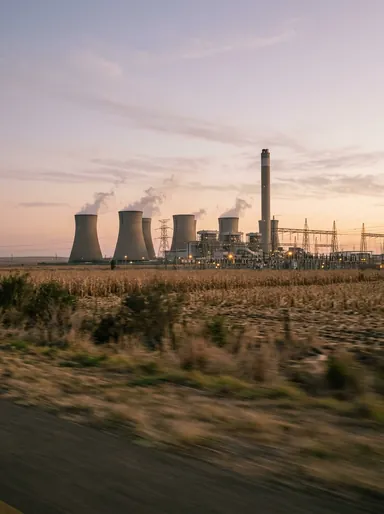
Managed Operations
Planned work, actually done, with a backlog you can believe.
Read more -
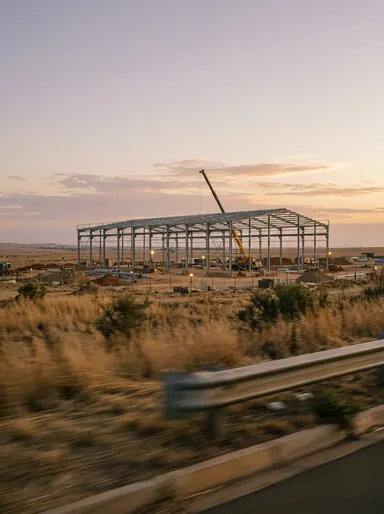
Engineering & CAD
Multidisciplinary design, drawn once and put to work at every stage.
Read more -
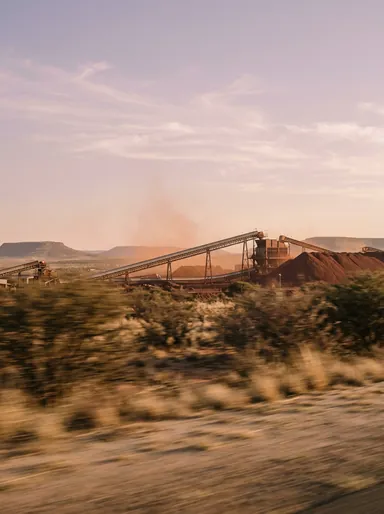
Digital Twins
A living model of your assets that grows sharper with every visit.
Read more
Kuumba Work
The workspace that remembers why.
Our C&I engineers work in Kuumba Work, the AI workspace behind all our services. It holds the drawings, exports and change history of your plant. It never holds the plant itself.
- Ask the drawings. Upload the FDS, I/O lists, C&E matrices and vendor manuals, and ask in plain language.
- Forms, not clipboards. Downtime and inspection capture on a phone, in simple apps operators can use on shift.
- Packs out. MOC, FAT, SAT and handover packs generated as Word, Excel or PDF.
- Reports that send themselves.Building The weekly OEE report filed and sent on a schedule, after a person approves.