Every location counted. The doors stay open.
We run your stocktakes and cycle counts as a service, from the floor to the top beam. RFID and our stocktake drone do the reading, AI reconciles every read against your WMS or SAP Business One, and our inventory team hands you the exceptions that matter, ready to approve.
-
Full counts
12×more often
Every location counted every month, instead of once a year at the wall-to-wall.
-
Count weekends
0days closed to count
Rolling counts run between waves and on quiet shifts, so the dock keeps moving.
-
Exceptions
Next morningreconciled and ranked
Every variance listed by location, value and likely cause, not a spreadsheet of raw reads.
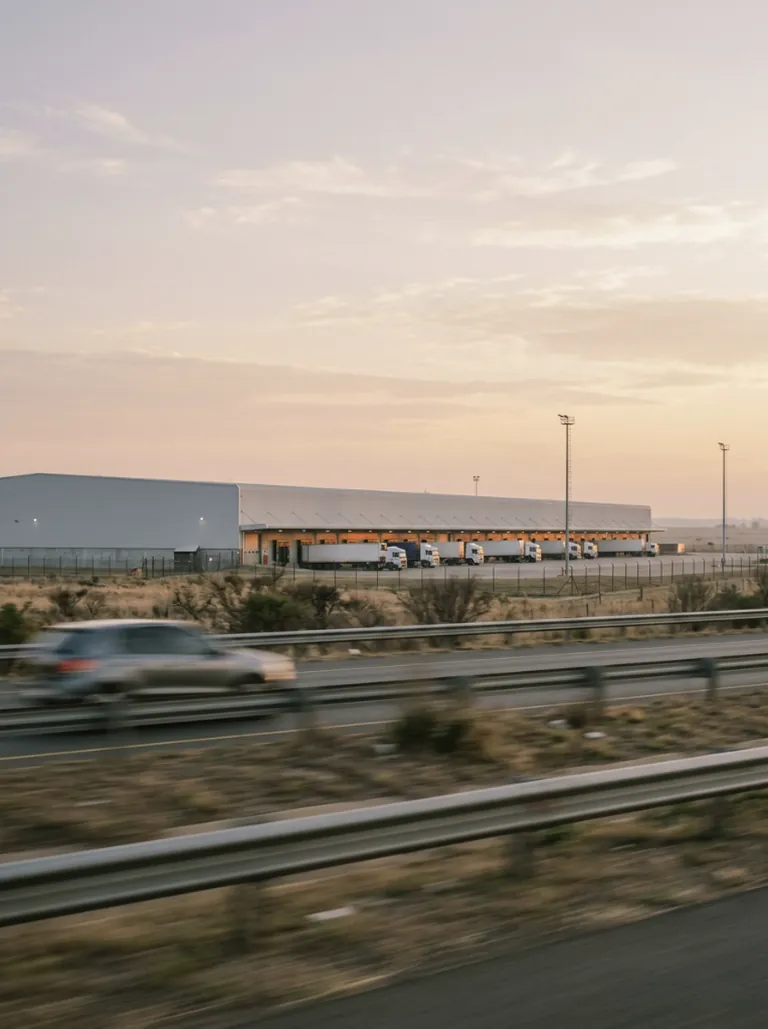
The week you know
The system says it's there. The shelf disagrees.
A count that closes the building, a programme that slips every time inbound surges, a pick face that holds nothing. Each one is small. Together they decide whether anyone trusts the stock figure.
-
Friday · 18:00
The doors close for the count.
Orders stop, temps arrive with clipboards, and the wall-to-wall begins. By two in the morning the recount teams are arguing with the variance report. On Monday the dock opens to a weekend's backlog.
What it costsTwo days of throughput and overtime, for a number that starts ageing on Tuesday.
-
Monday · 07:30
The cycle count that never finishes.
The plan says every A-item this month. Then three containers land, the counters are pulled onto receiving, and the count slides to next week. Again.
What it costsThe locations you skip are exactly where the errors grow.
-
Tuesday · 10:15
Ghost stock in B-14-03.
The WMS shows twenty-four cartons. The picker finds an empty bay. Somewhere in the building the stock exists, slotted into a location the system has never heard of.
What it costsA short pick, a split order and an expedited delivery, for stock you already own.
-
Wednesday · 14:00
Counting at height.
A counter rides an order picker to the sixth beam, scanner in one hand, squinting at labels through shrink-wrap. Below, a reach truck waits for the aisle to clear.
What it costsWork at height for a number, and a truck that isn't moving pallets.
-
Thursday · 16:40
Shrinkage you meet in February.
Small variances pile up all year without anyone seeing them. The year-end count finds them all at once, and nobody can say when, where or why they started.
What it costsOne write-off with no root cause, and the same leak next year.
-
Year-end · 09:00
The auditor's test count.
The auditors attend, pick a sample of locations and count behind your team. Three don't match. The sample grows, the adjustments are posted after close, and the count team comes back on Saturday.
What it costsAudit adjustments, a point in the management letter, and a second count.
What we take off your plate
The count, the reconciliation, and the reasons.
We plan the counts, do the counting and reconcile every read, then keep the record honest month after month. You receive exceptions your team can act on and evidence your auditor can follow.
-
A count calendar for every location
Every bay, bin and pick face on a rolling monthly plan, weighted by value, velocity and error history, and set around your waves and receiving peaks.
-
Rolling RFID and scan counts GS1 EPC
Floor to top beam, read with handheld RFID, barcode scanners and our stocktake drone, without stopping picking in the zones around the count.
-
A reconciled exception list
Every read matched to your WMS or SAP Business One stock at the count cut-off. Variances listed by location, quantity, value and likely cause: mis-slot, unreceived, unshipped, ghost or damaged.
-
Recounts and root causes
The variances that matter are recounted by a person before anything is adjusted, with the reason written down and the process step it points to.
-
Adjustments ready to approve
A ready-to-load adjustment file with the evidence behind each line. Your authorised person approves it and your team loads it; nothing posts itself.
-
A location master you can trust
Phantom, duplicate and dead locations found and closed, bin labels checked against the system, and the layout drawn as it really is.
-
Tagging and labelling plan GS1 SSCC · GLN
Pallet labels, location labels and RFID tags where they pay back first: high-value lines, high bays and fast movers.
-
Racking observations from every pass
Damaged uprights, missing beam locks and overloaded bays noted with a photo during the count, and handed to your rack inspector. A count that also looks.
-
A year-end count pack for your auditors IAS 2 · ISA 501
Count instructions, cut-off, the monthly count history and every reconciliation, indexed before the auditors arrive.
-
A monthly inventory accuracy report
Record accuracy by zone, value adjusted, repeat causes and the trend, in Excel or Power BI, checked by a person before it reaches your meeting.
How it gets done
Counted overnight. Reconciled by breakfast.
Robots and RFID do the reading, AI does the matching, and our inventory team does the judging. You approve what changes in your books.
-
Week 1Inputs in
You send what the system already knows.
A stock-on-hand and location export from your WMS or SAP Business One, the layout, your wave and receiving schedule, and last year's count results. Excel or CSV is enough.
- You
-
Week 1Plan
AI ranks every location. A person sets the calendar.
Kuumba Work weights each location by value, velocity and error history. Our inventory lead turns that into a month of count windows that fit around your operation, not the other way round.
- AI ranks
- Inventory lead
-
22:00Count window
The aisles are read, floor to top beam.
Our counters work the pick faces with handheld RFID and scanners. In cleared aisles the stocktake drone reads the high bays, so nobody rides a truck up to count. Picking carries on in the zones next door.
- Count team
- Stocktake drone
-
05:30Reconcile
Every read meets its record.
AI matches each read to the stock export at cut-off, nets out goods in transit, and groups what's left by likely cause. Raw reads become a short, ranked list.
- AI reconciles
-
08:00Verify
A person checks before anything moves.
Our inventory controller recounts the top exceptions, confirms the cause and finds the misplaced stock where it can be found. What can't be explained stays open, and says so.
- Inventory controller
-
10:00Approve
You approve the adjustments.
You read a one-page summary of what was counted, what moved and why, then approve the adjustment file. Your team loads it. The books change only when you say so.
- You approve
-
Month-endand onward
The record stays true.
Accuracy by zone, value adjusted and the causes that keep coming back, drafted by AI and checked by a person. By year-end the auditors find a history, not a weekend.
- AI drafts
- Inventory lead
What the morning depends on. A clean stock export at the count cut-off, and receipts and dispatches either posted or frozen for the window. Untagged stock is counted by scan, and the stocktake drone flies only in aisles that have been cleared of people. Kuumba Work reads SAP Business One read-only, so adjustments are always loaded by your team.
Meet the stocktake droneBuilding
It flies the aisles, so nobody climbs for a count.
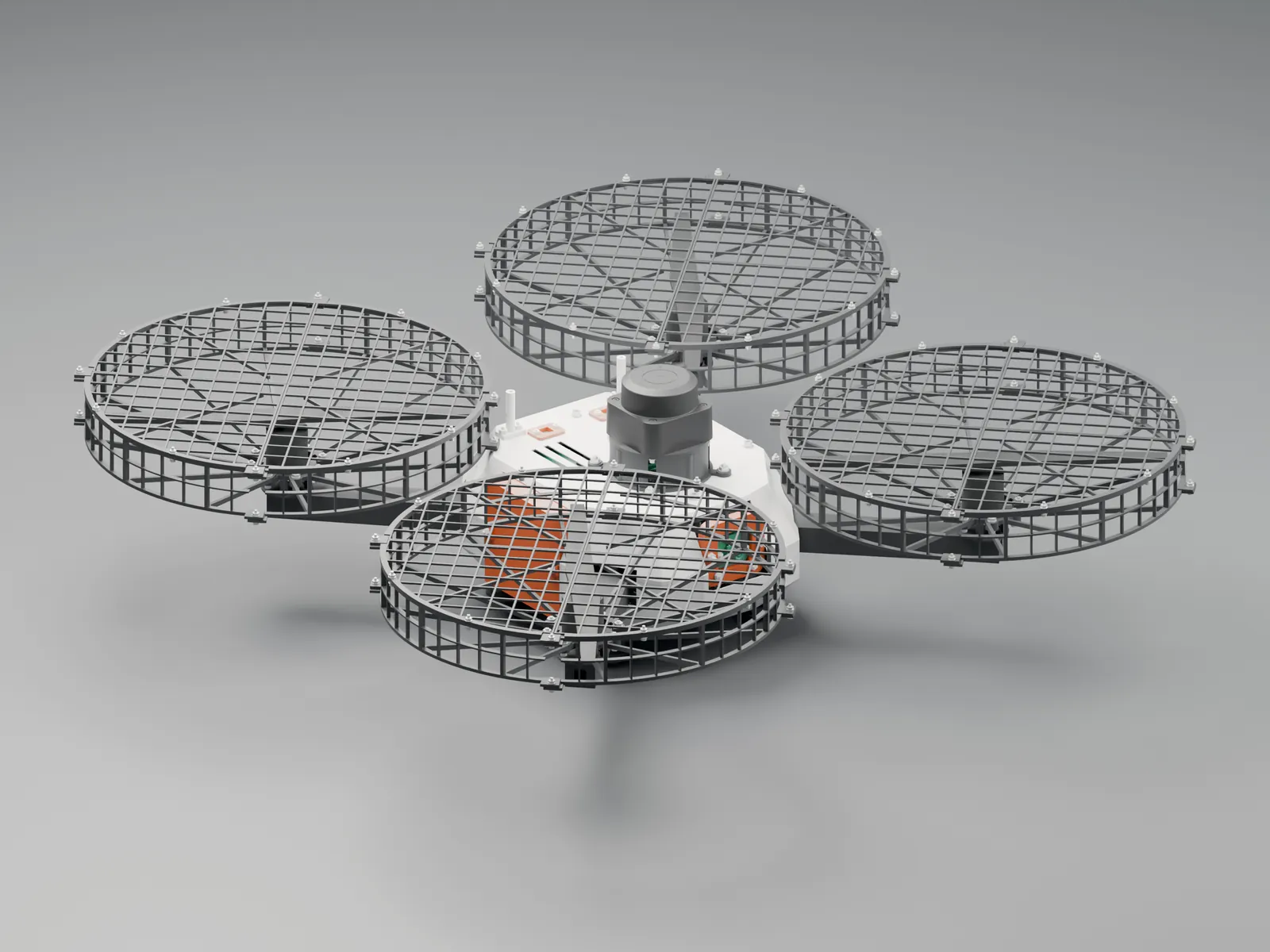
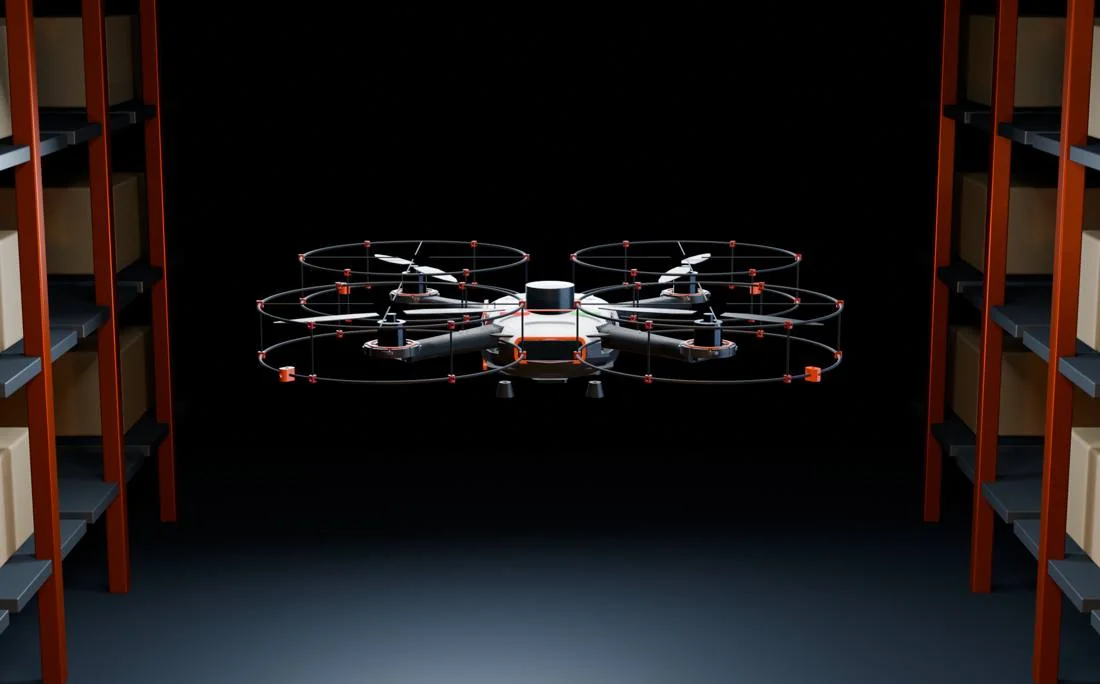
Our own guarded indoor drone reads every tagged pallet and bin location, from the floor to the top racking, and hands a reconciled exception list to your team. The hard part of a stocktake is no longer the climb. It is deciding what to fix.
Every level, every aisle.
The high bays get counted as often as the pick faces, because reaching them no longer needs a truck and a harness.
Reads, not guesses.
RFID reads every tag in range, through shrink-wrap and behind the front carton, and records where each was seen.
Exceptions, not data.
Kuumba Work matches the reads to your system and passes your team the short list that needs a person.
The old way, and with Kuumba
Same stock. A different kind of count.
| Area | The old way | With Kuumba |
|---|---|---|
| How often every location is counted | Once a year, at the wall-to-wall | 12× more often: every location, every month, on a rolling calendar |
| Effect on the operation | The DC closes for a weekend | Counts run between waves and on quiet shifts; the dock keeps moving |
| High bays | A counter on an order picker at the sixth beam | Read by RFID and the stocktake drone, with people on the floor |
| Variances | A spreadsheet of raw differences | A reconciled list the next morning, by location, value and likely cause |
| Root cause | Written off as "shrinkage" | Mis-slot, unreceived, unshipped, ghost or damaged, named line by line |
| Adjustments | Posted in bulk after year-end | Approved by you every month, each with its evidence |
| Audit | The test count becomes a recount | A count history and reconciliations, indexed before the auditors arrive |
Where AI helps, where people decide
Machines do the reading. People own the stock figure.
AI does
The matching and sorting no counter has time for.
- Ranks every location by value, velocity and error history to build the count plan.
- Matches every read to your WMS or SAP Business One stock at the cut-off.
- Groups variances by likely cause and ranks them by value.
- Drafts the adjustment file, the monthly report and the audit pack.
- Shows the read, the time and the location behind every line.
People decide
When to count, what's real, and what changes in the books.
- Which windows the operation can give, and which aisles are cleared.
- Whether a variance is real, by recounting it.
- Which adjustments are approved, and by whom.
- What changes in receiving, putaway and picking to stop the leak.
- The year-end figure, signed by your finance team and tested by your auditor.
AI never adjusts stock. Where the count reaches the top beam, the drone goes up and people stay on the floor: see the stocktake drone.
Standards we work to
Counted to the rules your auditor and inspector use.
The count follows the standard your auditor tests against, the labels follow the standard your customers scan, and the work at height follows the law, or doesn't happen at all.
- OHS Act 85 of 1993Section 8: a safe workplace, and safe systems of work
- General Safety RegulationsReg 6 work in elevated positions · Reg 13A ladders
- General Safety RegulationsReg 8(1)(f): stacking structures kept structurally sound
- Driven Machinery Regulations 2015Reg 18: trained lift-truck operators, no riding on forks
- EN 15635Use, inspection and damage reporting for storage racking
- SANS 10263Warehousing of dangerous goods, where you store them
- IAS 2 InventoriesThe stock figure your auditor tests
- ISA 501Attending counts, including counts during the year
- GS1 SSCC and GLNPallets and locations, identified once
- GS1 EPC · ISO/IEC 18000-63RFID tag data and the UHF air interface
Questions warehouse managers ask
The questions we hear first.
Do we have to put an RFID tag on everything?
No. Where barcodes and pallet labels are in good shape, we count by scan. We tag where it pays back first: high-value lines, the high bays and the fast movers.
Tags and labels follow GS1 standards, so they keep working with your customers and carriers.
Does it work with our WMS, or SAP Business One?
We work from the stock and location exports your system already produces, Excel or CSV, taken at the count cut-off. Where you run SAP Business One, Kuumba Work can read it directly, read-only.
Adjustments come back to you as a ready-to-load file. Your team posts them, so your system of record never changes behind your back.
Will our auditors accept monthly counts instead of a wall-to-wall?
That is your auditor's call, and many accept it. Auditing standards allow counts across the year where the perpetual records are shown to be reliable, and auditors can attend cycle counts as well as a year-end count.
Our job is to give them that evidence: a count history, reconciliations and approved adjustments, every month.
Is the drone in our aisles from the first count?
The stocktake drone is our own design, and we are building it now. Counts today are done by our team with handheld RFID and scanners, and the drone takes over the high bays as it clears its trials.
The method doesn't change: machines read, AI reconciles, people verify and you approve.
What about people and trucks in the aisles?
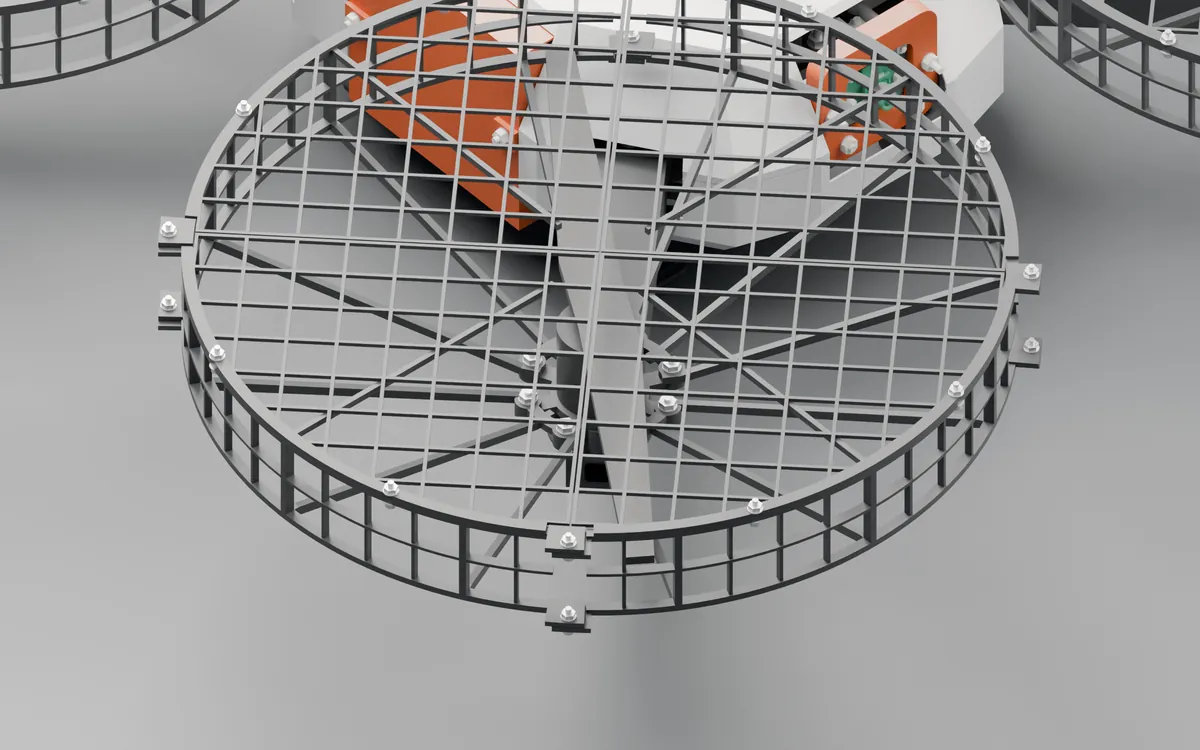
Count windows are agreed with your shift managers. The drone flies only in aisles that have been cleared and marked off, never above people, and every rotor sits inside a guard.
The point is fewer people at height, not more traffic on the floor.
Where does our stock data live?
In your own Kuumba Work environment, isolated from every other client, with client data stored in South Africa.
Read access to SAP Business One is read-only, and actions wait for a person to approve them.
Related services
What keeps a distribution centre honest.
-

Managed Operations
Your assets kept performing, quietly, under one ongoing agreement.
Read more -

Procurement
The right parts, sourced early and on site before they're missed.
Read more -
Robotics & Drones
Flown by licensed remote pilots, so your people stay out of harm's way.
Read more
Kuumba Work
The workspace behind every count.
Our inventory team works in Kuumba Work, the AI workspace behind all our services. It is where reads become exceptions, and exceptions become decisions.
- Ask SAP Business One. Stock on hand, open orders and item history in plain language, read-only, where you run it.
- Registers as apps. The count calendar, exception lists and recounts in tables your team can filter and update.
- Documents out. Adjustment files, the monthly report and the audit pack as Excel, Word or PDF.
- Counts that schedule themselves.Building Count windows and recount reminders sent out on time, only after a person approves.