The stocktake that flies.
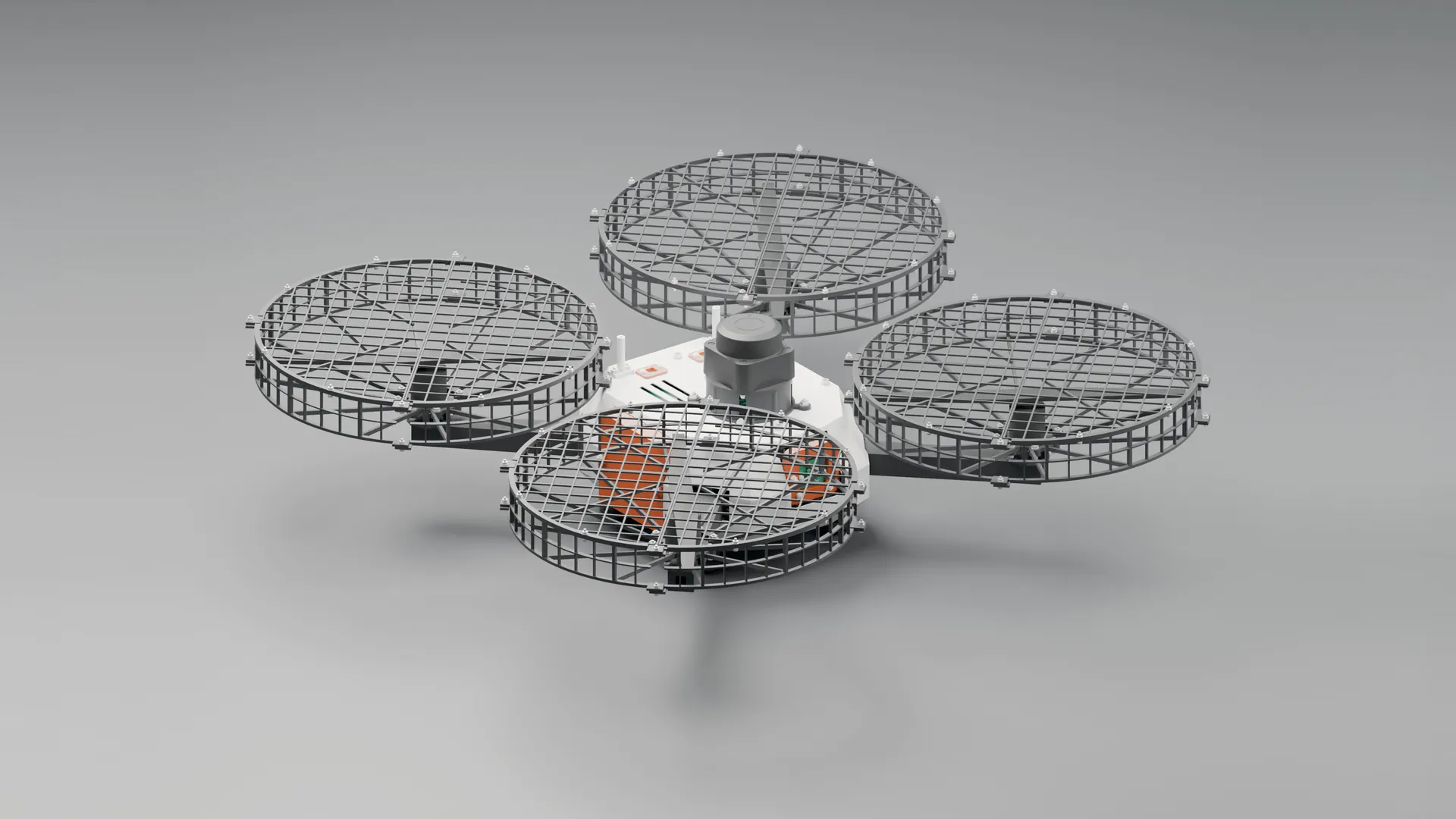
A guarded indoor drone, designed by Kuumba. It flies your aisles, reads every tagged pallet and bin location from the floor to the top racking, and hands your team a reconciled list of what doesn't match.
Why counting is broken
Too big to count often. Too high to count safely.
Every warehouse knows its stock figure drifts. The trouble is that checking it means closing the building, sending people up the racking, or both. So it gets checked once a year, and trusted a little less every month in between.
-
Once a year
The wall-to-wall.
The doors close, the temps arrive, and a weekend goes into a number that starts ageing on Monday. Cycle counts are meant to fill the gaps, and slip whenever inbound surges.
What it costsThroughput, overtime, and a figure nobody quite believes.
-
At the sixth beam
The climb.
The top levels hold the most stock and get the fewest counts, because reaching them means an order picker, a harness and a cleared aisle for every bay.
What it costsPeople at height, and trucks taken off the floor.
-
Weeks later
The spreadsheet.
Even a good count lands as thousands of rows. By the time someone has worked out which differences are real, the stock has moved again.
What it costsGhost stock and short picks that outlive the count.
What it does
Up the aisle, down the next, and nothing missed in between.
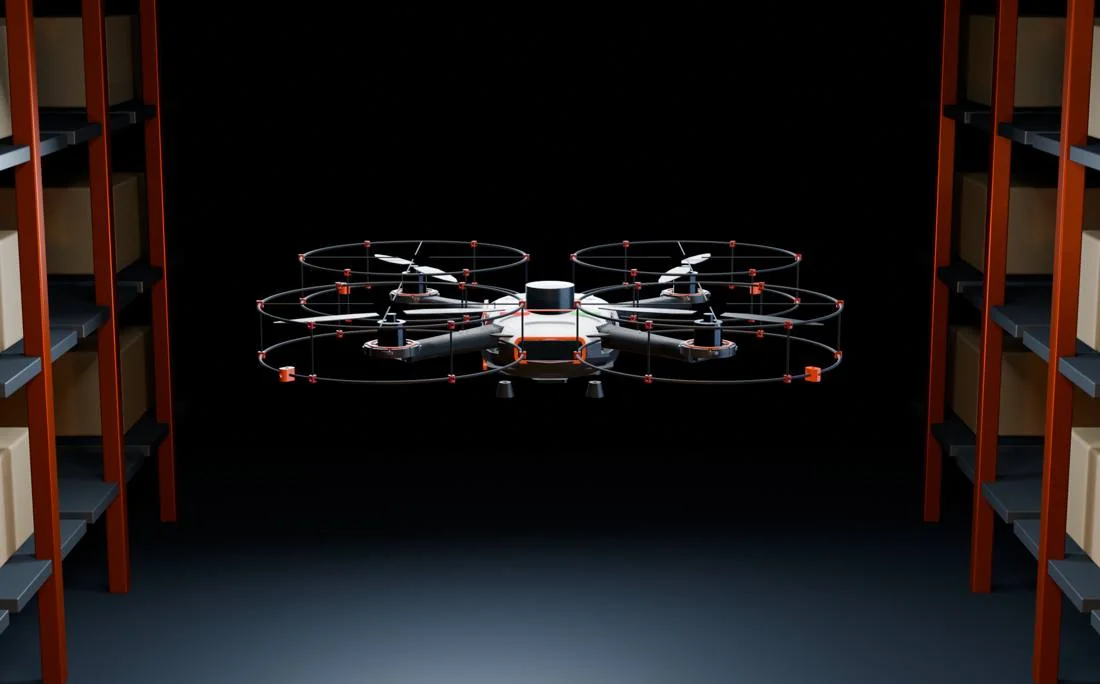
The drone treats a stocktake as a flight plan. It works the aisles a person would, at heights a person shouldn't, and keeps a record of what it saw and where.
It flies the aisles.
Aisle by aisle, both racking faces at once, through the windows your shift managers give it.
It reads every tag, at every level.
RFID finds every tagged pallet, carton and location label in range, from the floor to the top beam, through shrink-wrap and behind the front carton.
It maps the exceptions.
Each read is tied to the location where it was seen, so a carton in the wrong bay shows up as a place to walk to, not just a number that's off.
What your team gets
A reconciled exception list. Not a spreadsheet of raw reads.
Kuumba Work matches every read to your system at the count cut-off, nets out what's in transit, and names the likely cause. Your inventory controller starts the morning with a short list and a reason for every line.
Exceptions · Aisles 14 to 16 matched to the WMS export at cut-off
Ranked by value| Location | System | Read | Likely cause |
|---|---|---|---|
| B-14-03 | 24 | 0 | Ghost stock |
| B-14-07 | 0 | 24 | Mis-slot |
| C-15-11 | 40 | 36 | Unshipped |
| C-16-02 | 0 | 12 | Unreceived |
| D-16-09 | 18 | 16 | Recount |
Safety
The drone goes up. People stay on the floor.
Counting the top of the racking is work at height, with everything the General Safety Regulations and the Driven Machinery Regulations ask of it. The safest climb is the one nobody has to make.
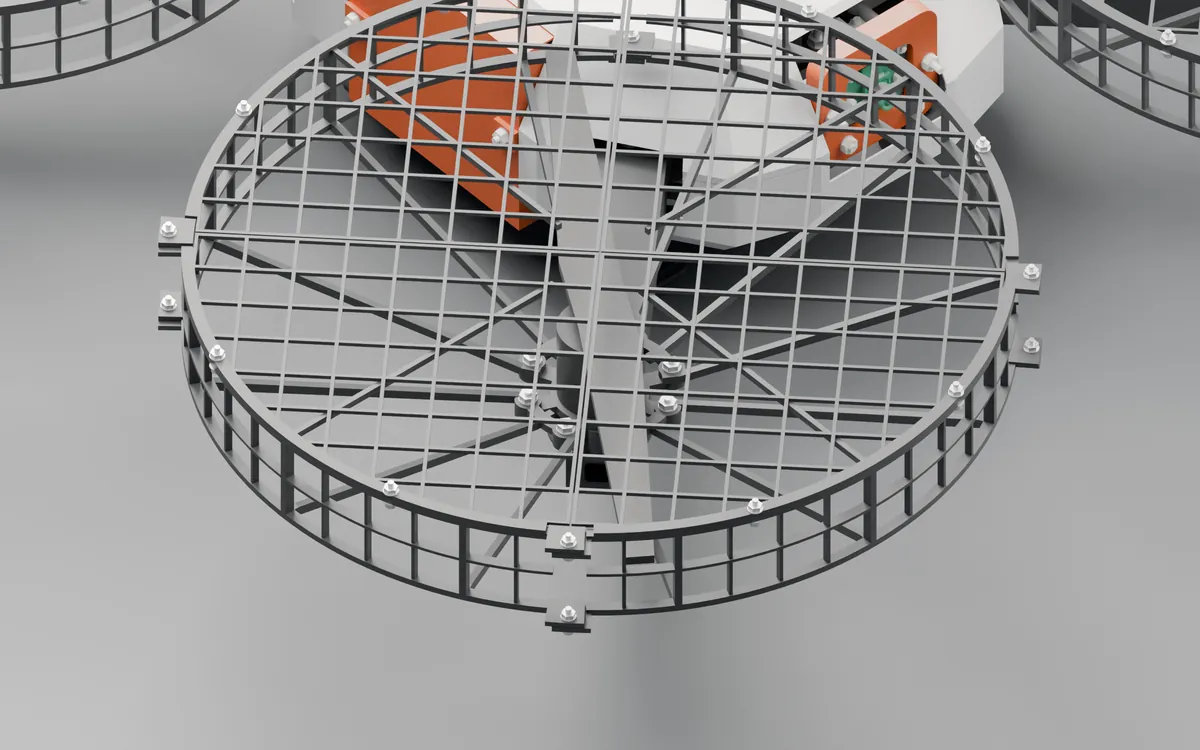
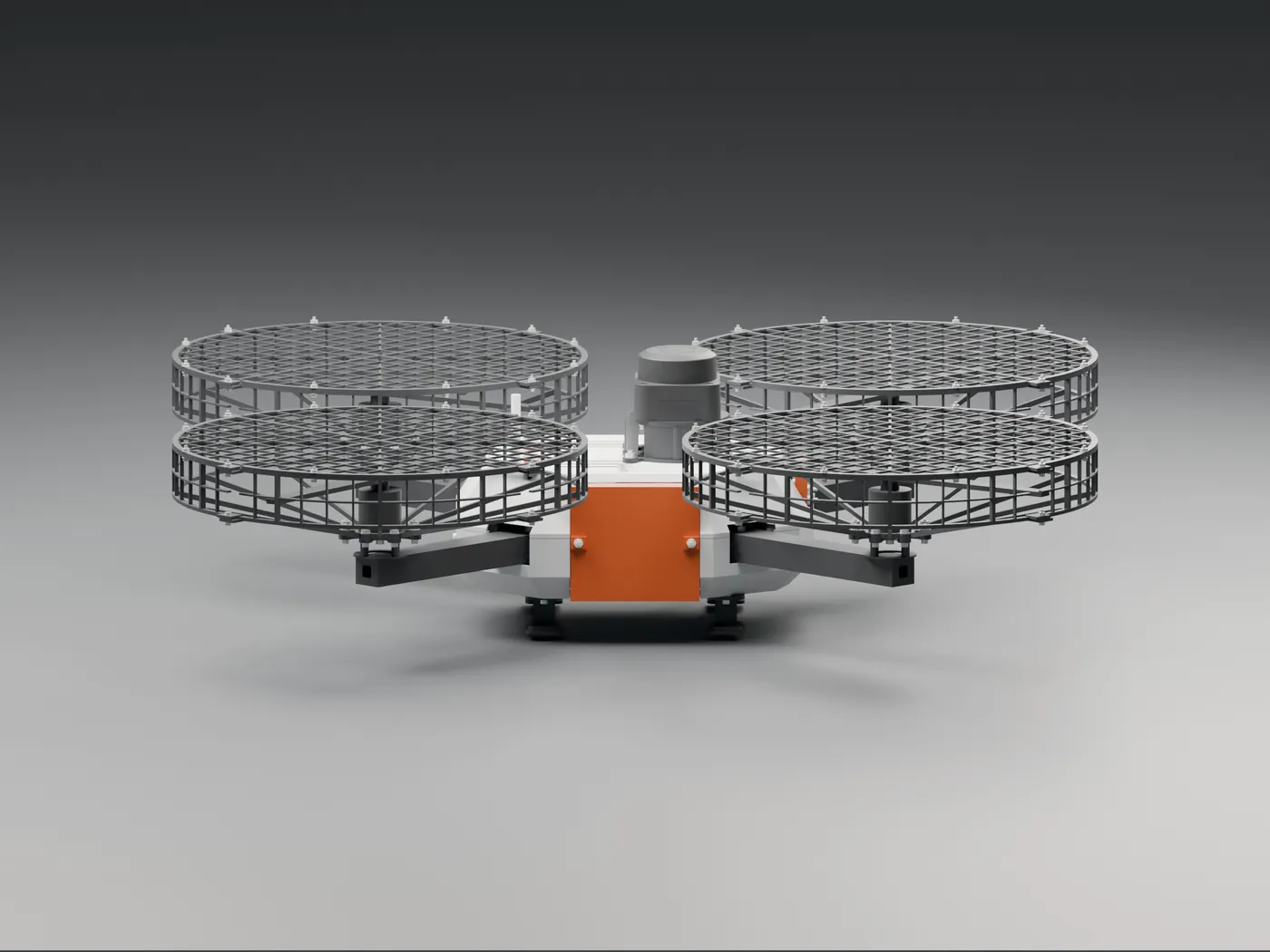
- Guarded, all round. Every rotor sits inside its own lattice cage, so a brush with racking or stock is a bump, not a cut.
- Cleared aisles only. It flies where the aisle has been cleared and marked off, never above people or moving trucks.
- No rides to the top beam. No order pickers raised for a count, no ladders, no harnesses for a number.
- A person in charge. Every flight has someone responsible for it who can stop it at any moment.
How it fits
It works with the systems you already run.
No new warehouse system, and no change to how your stock is booked. The drone reads, Kuumba Work reconciles against what your system says, and your people decide what changes.
01 · Read
The drone counts.
Every tag and location it sees, with the time it saw it, alongside our team's handheld counts at the pick faces.
02 · Reconcile
Kuumba Work matches.
Reads meet your WMS export or SAP Business One, read-only, at the count cut-off. What's left is grouped by cause.
03 · Verify
Our team checks.
The exceptions that matter are recounted by a person, and misplaced stock is found before anything is adjusted.
04 · Approve
You decide.
A ready-to-load adjustment file, each line with its evidence. Your team loads it into your system.
From every side
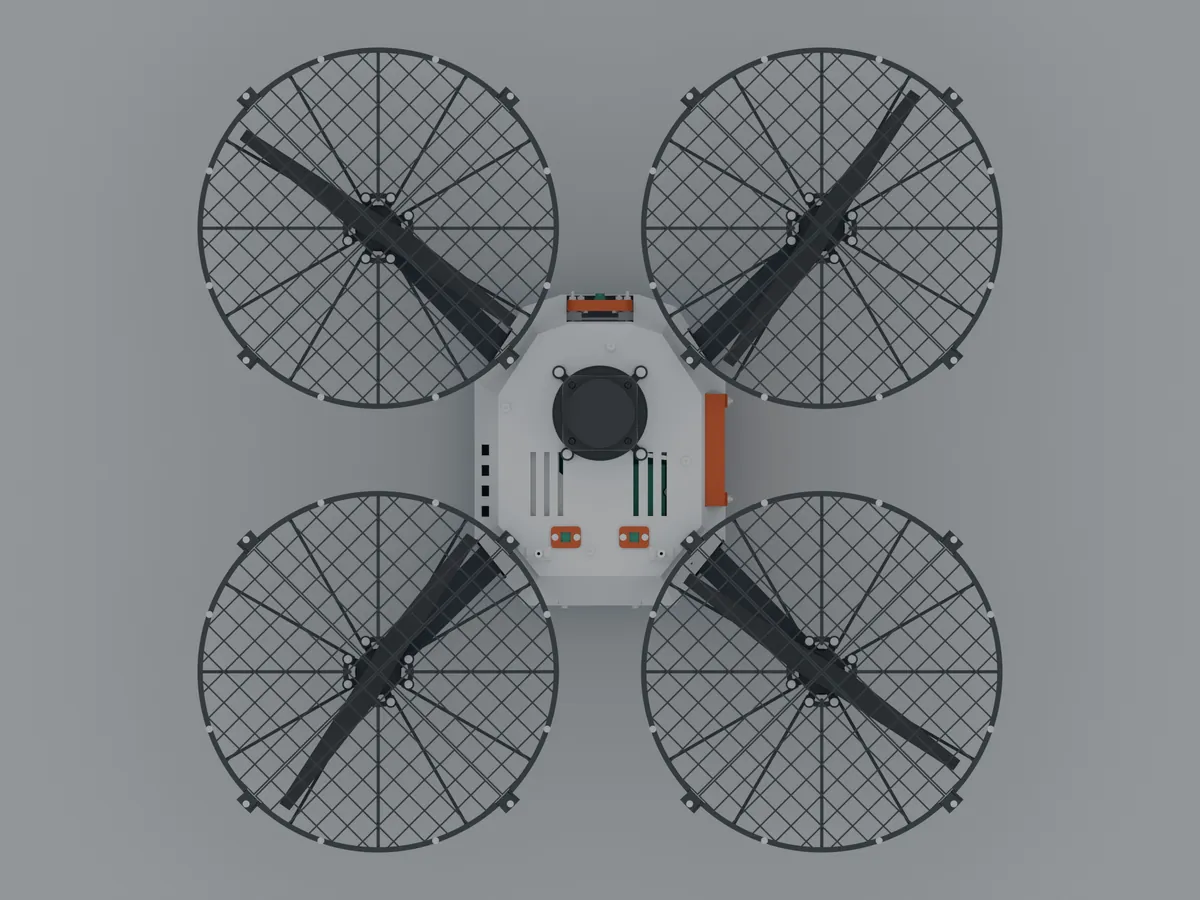
Built for the aisle, not the sky.
Questions warehouse managers ask
Before it flies in your building.
Can we have one in our DC today?
The stocktake drone is our own design, and we are building it now. The images on this page are renders of the current design.
Our Warehouse Management service counts with handheld RFID and scanners today, and the drone takes over the high bays as it clears its flight and safety trials.
What does it actually read?
RFID tags on pallets, cartons and location labels, encoded to GS1 standards. Each read is recorded with the location where it was seen.
Stock without a tag is counted by our team by scan, and both sets of counts land in the same reconciliation.
Does it replace our counters?
It replaces the climb, not the judgement. Someone still has to decide whether a difference is real, find the stock that's in the wrong place, and fix the step that put it there.
That work gets easier when it starts from a short list instead of a long one.
Will it work with our WMS?
We reconcile against the stock and location export your WMS already produces, as Excel or CSV. Where you run SAP Business One, Kuumba Work reads it directly, read-only.
Nothing is written back to your system. Adjustments come to you as a file to approve and load.
Is it safe to fly near our people?
It flies only in aisles that have been cleared and marked off, never above people, with every rotor inside a guard and a person responsible for every flight.
Count windows are agreed with your shift managers, the same way you would plan a racking inspection.
Where does the count data go?
Into your own Kuumba Work environment, isolated from every other client, with client data stored in South Africa.